Kenya · Est. 2018

Conservation

The land is not
a backdrop.
It is the point.

Conservation has become a word that sounds like good intention and functions like marketing. We want to be honest about what ours actually means — and what it costs us to mean it.

In Kenya's ecosystems, wildlife does not survive because of parks alone. It survives because of people. The Maasai and Samburu communities, and the Laikipia conservancy families, make daily decisions about whether to tolerate wildlife competing with their livestock, whether to allow corridors to cross their land, whether the ecosystem is worth more intact than divided.

Our conservation work begins with that truth: without genuine community benefit, no anti-poaching effort is sufficient.

Samburu landscape — a protected wildlife corridor connecting Laikipia and the north

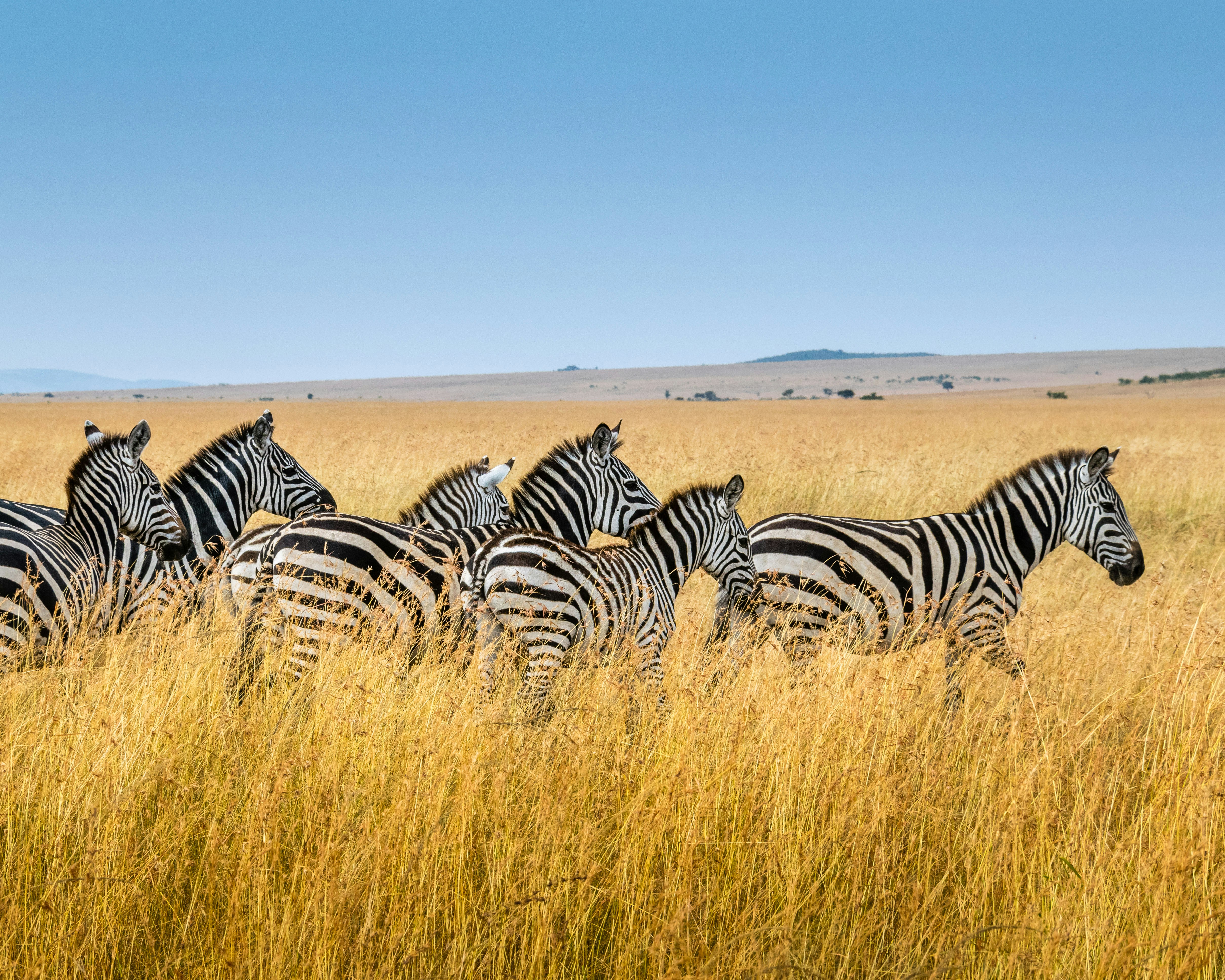
Wildlife Corridors

Six migration corridors across Mara and Laikipia ecosystems, connecting private and community land for free-ranging elephant, wild dog, and rhino.
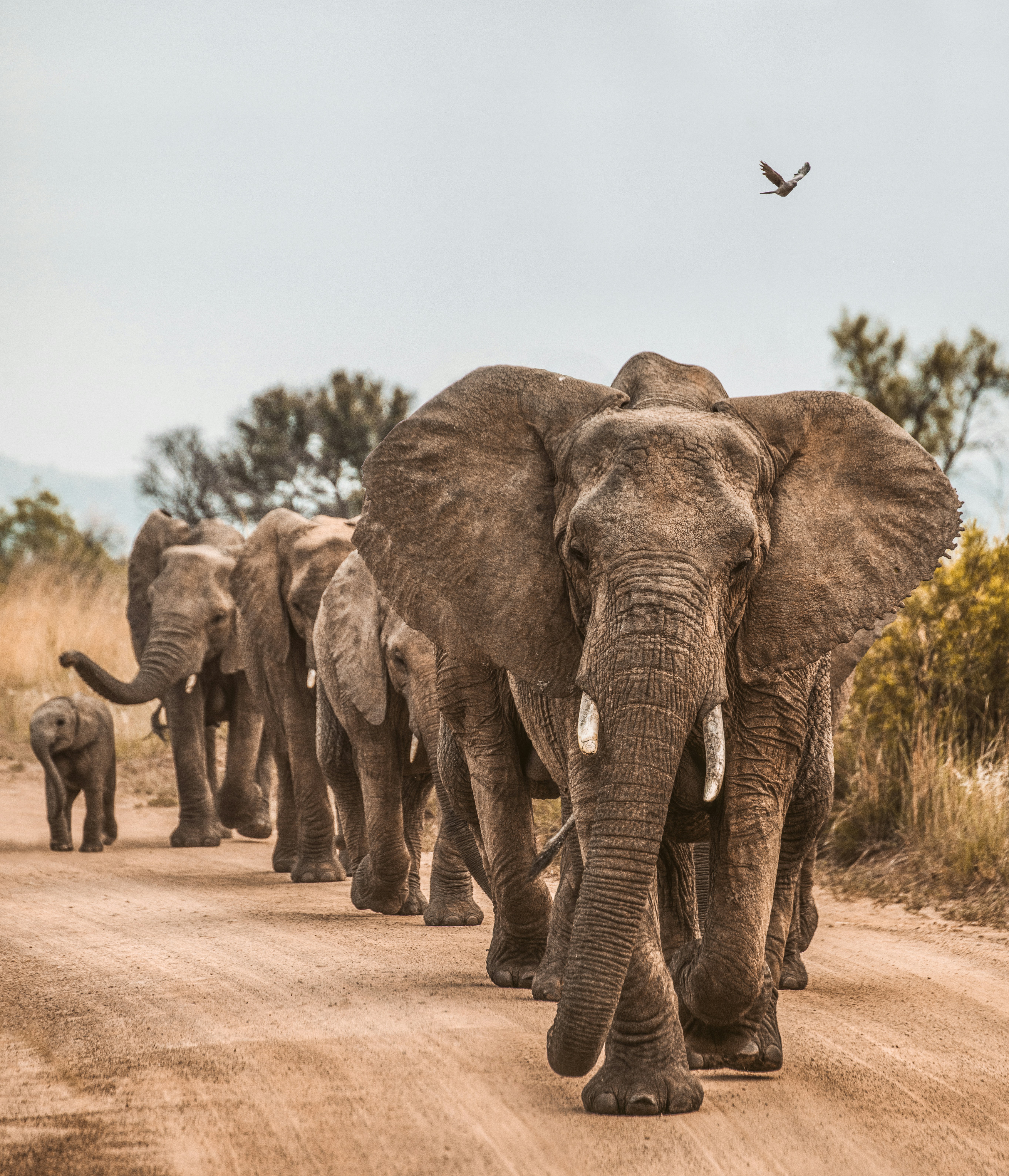
Maasai child at a community school funded by Olkanchoi conservation levy

Community Education

Three schools funded across our conservancy partners, attended by children of the guides who walk with our guests.
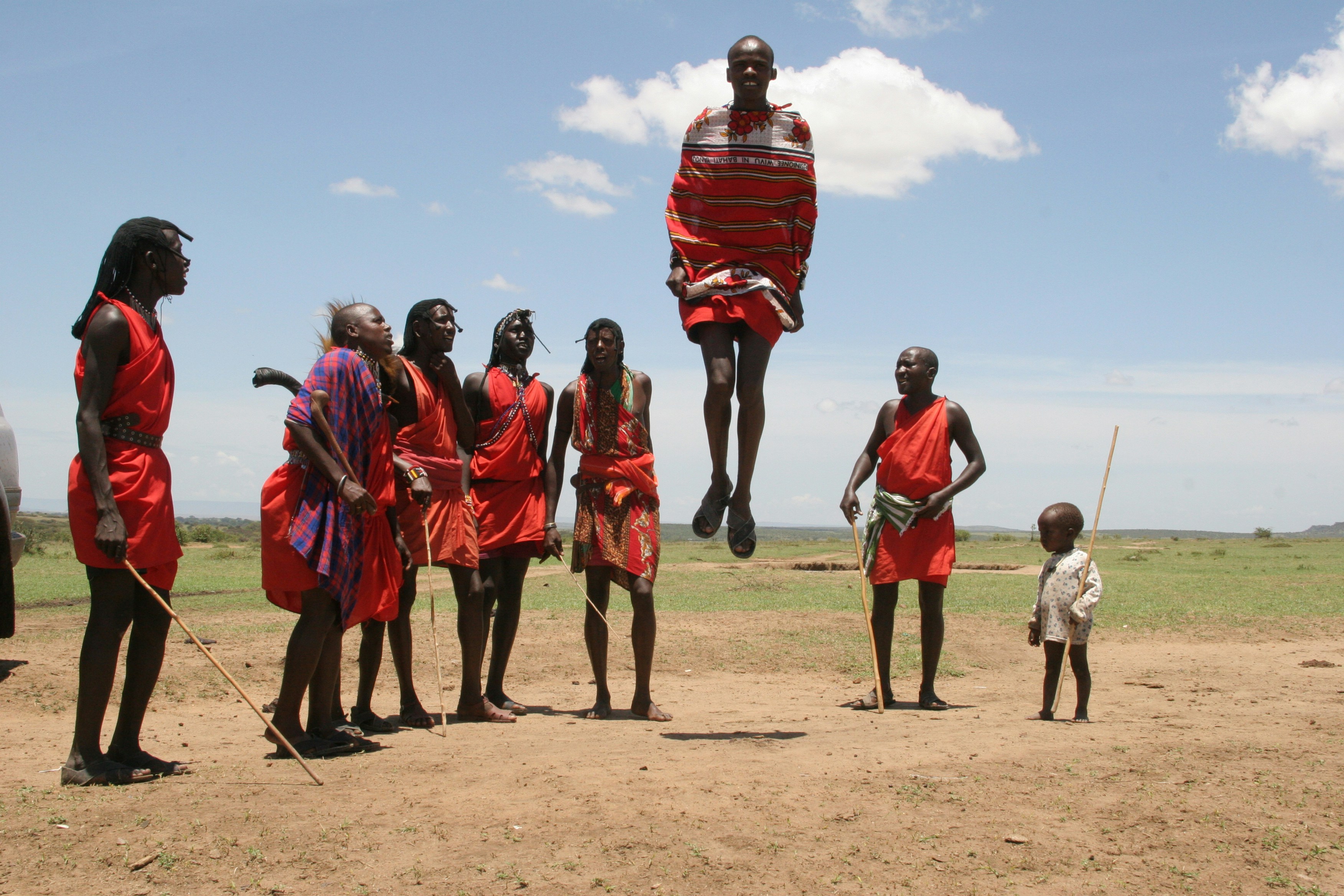
Maasai community celebration — cultural heritage supported through tourism

Women's Cooperatives

Six women-led cooperatives across Narok County and Laikipia providing stable income, market access, and leadership training.
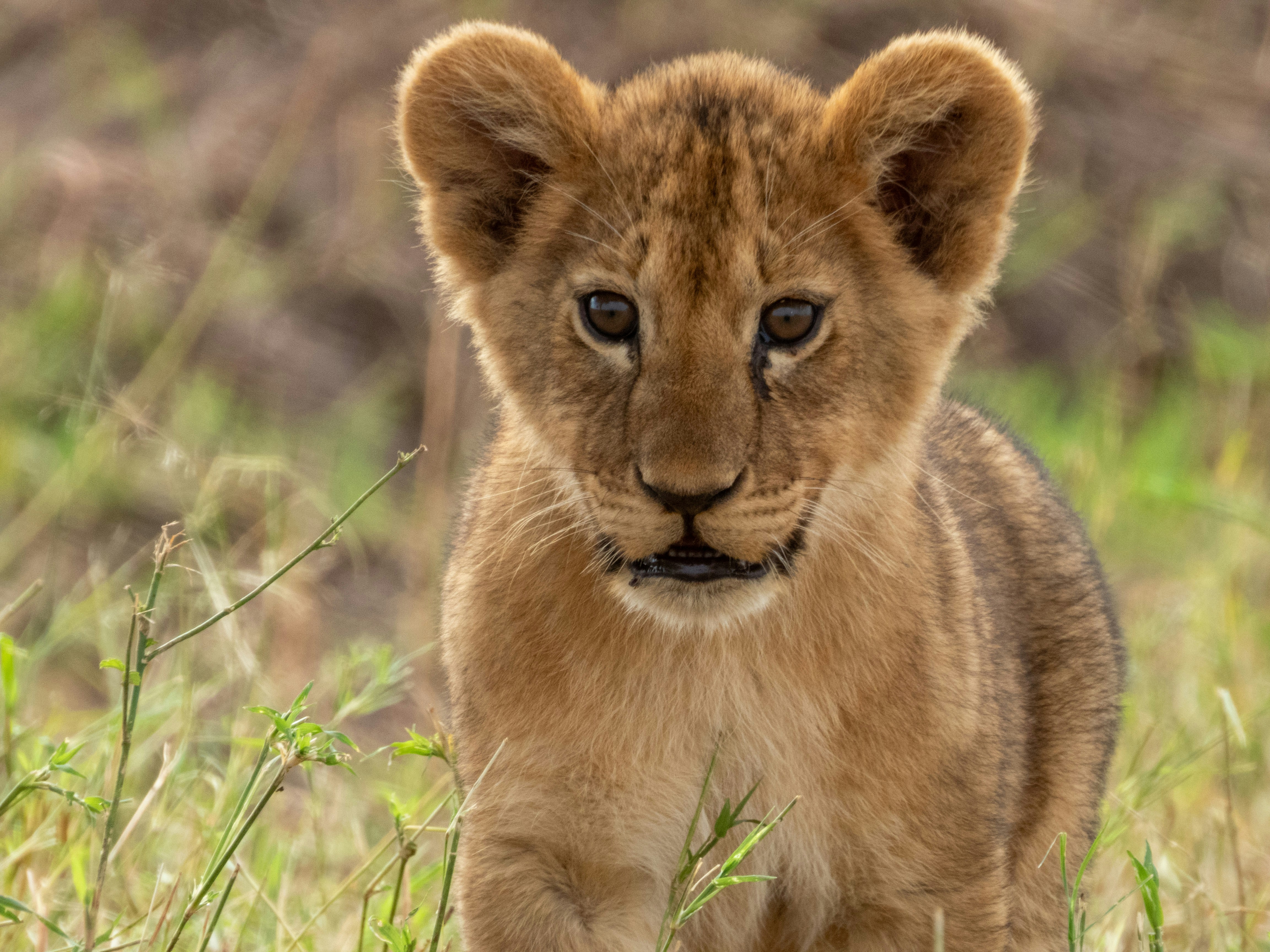
Lion pride resting safely in a protected conservancy

Ranger Support

42 community rangers across six conservancies, paid a living wage, trained in ecology and first response, equipped with GPS tracking.

2024 Impact

Numbers we're
accountable to.

340KAcres under protection
42Rangers employed
60%Revenue to community
312Children in school
The Honest Account

What we're still
working on.

We haven't solved carbon. Our guests fly from distant places — that is a real cost. We are developing a carbon measurement framework and beginning in 2025 will offer verified offsets funding reforestation in the Mara watershed and Laikipia highlands.

We haven't fully resolved the tension between exclusivity and equity. Our journeys are expensive — intentionally, because volume tourism damages ecosystems. But we are developing a scholarship programme bringing Kenyan students to the bush as guests, not workers.

Your journey
funds this work.

Travel as an act of protection, not just discovery.

Begin a Conversation